Home About The Athlete's Edge The Sports Parent Edge The Edge Contact
Buy on Amazon
Nick Stratton

The Books

Practical mental performance guides for athletes, parents, and coaches — built to grow.

Published
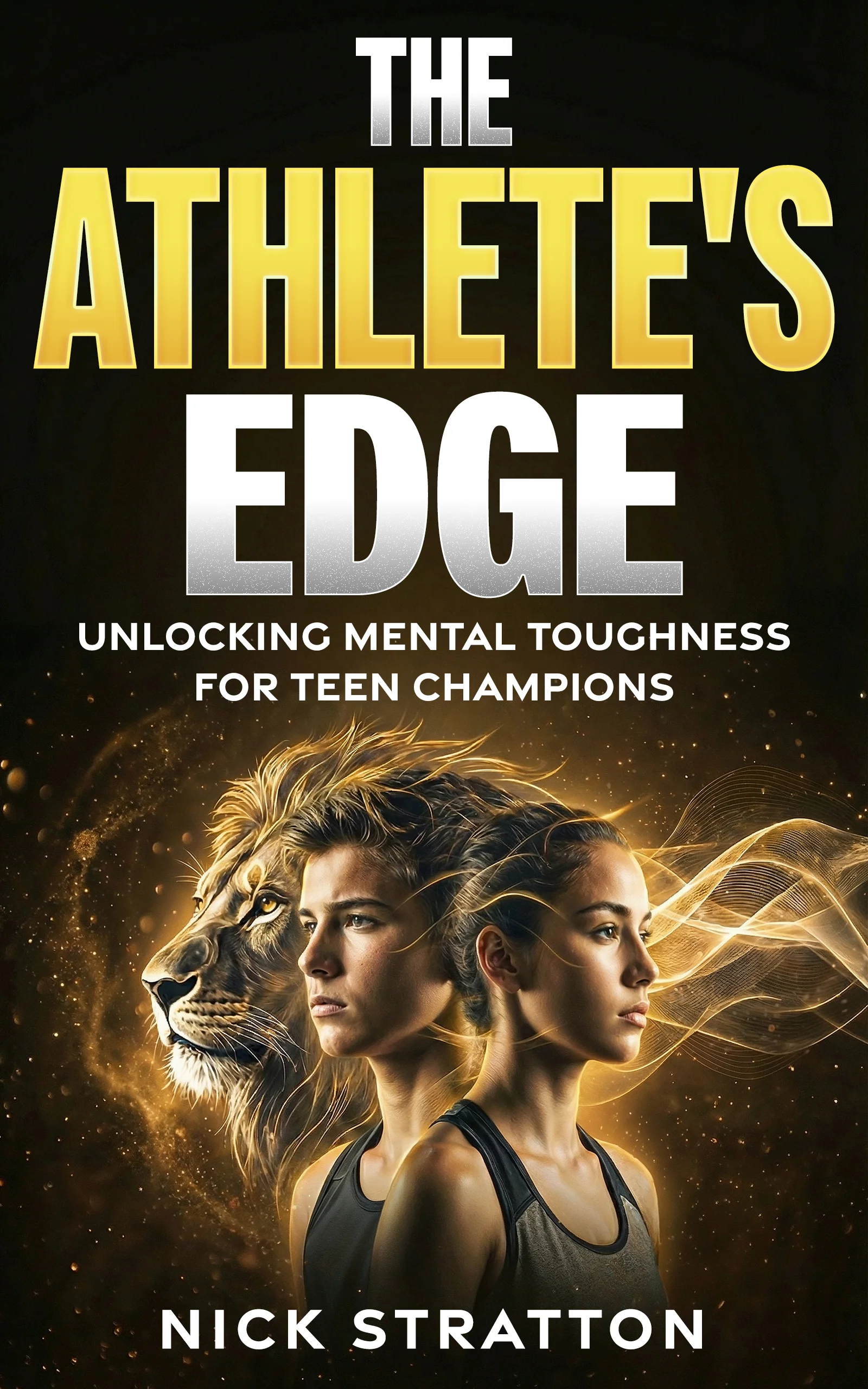
The Athlete's Edge book cover — mental toughness for teen athletes by Nick Stratton
✓ Available Now

The Athlete's Edge

The step-by-step mental toughness playbook for teen athletes ages 12–18

Unlocking Mental Toughness for Teen Champions

Many teen athletes train relentlessly — yet freeze in big moments, lose confidence after one mistake, or burn out under constant expectations. Not because they lack ability, but because no one teaches them how to train their mind.

The Athlete's Edge closes that gap. Instead of vague motivation or "just believe in yourself" advice, this book gives teens clear mental systems they can actually use when nerves, doubt, and pressure show up.

Published
Dec 16, 2025
Pages
134
Format
Paperback
Ages
12–18 · Any sport
★★★★★ 4.7 / 5 · 80+ verified Amazon reviews

When it counts most

Most athletes know what to do in practice. This teaches you what to do when everything falls apart.

🧠

It's not who you are

Mental toughness isn't something you're born with. It's something you build — rep by rep, like any other skill.

🎯

It's not just the scoreboard

Coaches, parents, teammates, your own expectations. The pressure comes from everywhere. This book addresses all of it.

📋

No fluff

No "believe in yourself." No vague inspiration. Just tools you can use at your next game.

🌍

Your sport. Your edge.

Whether you're on a court, in a pool, or on a pitch — the mental game works the same way.

🔬

Built from the inside

Written by someone who has watched Olympic athletes break — and watched them not break. There's a difference.

Frequently Asked Questions

About The Athlete's Edge

The Athlete's Edge is written for teen athletes ages 12–18. The language, examples, and exercises are all designed to be directly usable by young athletes without adult interpretation. Parents and coaches also find it useful as a practical reference.
It's the mental performance system at the core of the book. It covers six specific mental skills that research shows separate athletes who fold under pressure from those who rise to it. Each chapter maps one skill and gives teen athletes practical tools they can use in training, competition, and daily life.
Yes. While the book is written directly to the teen athlete, parents and coaches consistently report finding it useful. It gives them a shared language and framework to support young athletes without adding pressure. Nick Stratton's forthcoming book, The Sports Parent Edge, is written directly for parents.
Most sports psychology books are written for adults or professional athletes. The Athlete's Edge is built specifically for teens 12–18 and focuses exclusively on practical, immediately usable tools — not theory. The content comes from over a decade inside Olympic-level high-performance environments, not from a clinical or academic context alone.
The Athlete's Edge is available as a paperback on Amazon, and as an instant-download ebook (PDF and epub) directly via Payhip for $8.99 — no Amazon account needed.

Reading as a group? Get the free Book Club Kit →  ·  Buying for a team, club, or school? Get in touch →

Coming Soon
THE SPORTS PARENT EDGE
How to Build Mental Toughness,
Pressure-Proof Confidence, and Lasting Motivation
NICK STRATTON
📖 Ebook July 2026

The Sports Parent Edge

How to Build Mental Toughness, Pressure-Proof Confidence, and Lasting Motivation in Your Young Athlete — Without Becoming the Problem

The car ride home. The look after a mistake. The silence that says more than the words. Those moments accumulate. They become the emotional climate your child grows inside — and climate is what shapes whether sport becomes a place your child feels challenged and supported, or a place they eventually want to escape.

The Sports Parent Edge helps parents become more useful to their child's development — not softer, not less involved, but more precise. More steady. It works through the real situations where good intentions become pressure — and where the difference between helping and hurting is smaller than you think.

Discover your sports parenting blindspot:
Take the Parent Assessment →